
CASE STUDY: OSTELIN
Traffic oversaw the production of an episodic content series + social campaign.
Creative overseen by Publicis Worldwide.

THE BRIEF
Ostelin needed to talk to women about health issues that are extremely common and almost never discussed out loud. Menopause. Joint pain. The low-grade physical stuff that women carry quietly through their thirties, forties, fifties and beyond, often assuming they're the only one dealing with it.
The message was simple: you are not alone in this. The challenge was landing that message in a channel where people scroll past anything that feels like a lecture, an ad, or a pharmaceutical brochure.
Part 1 — Take a Seat, Get Uncomfortable
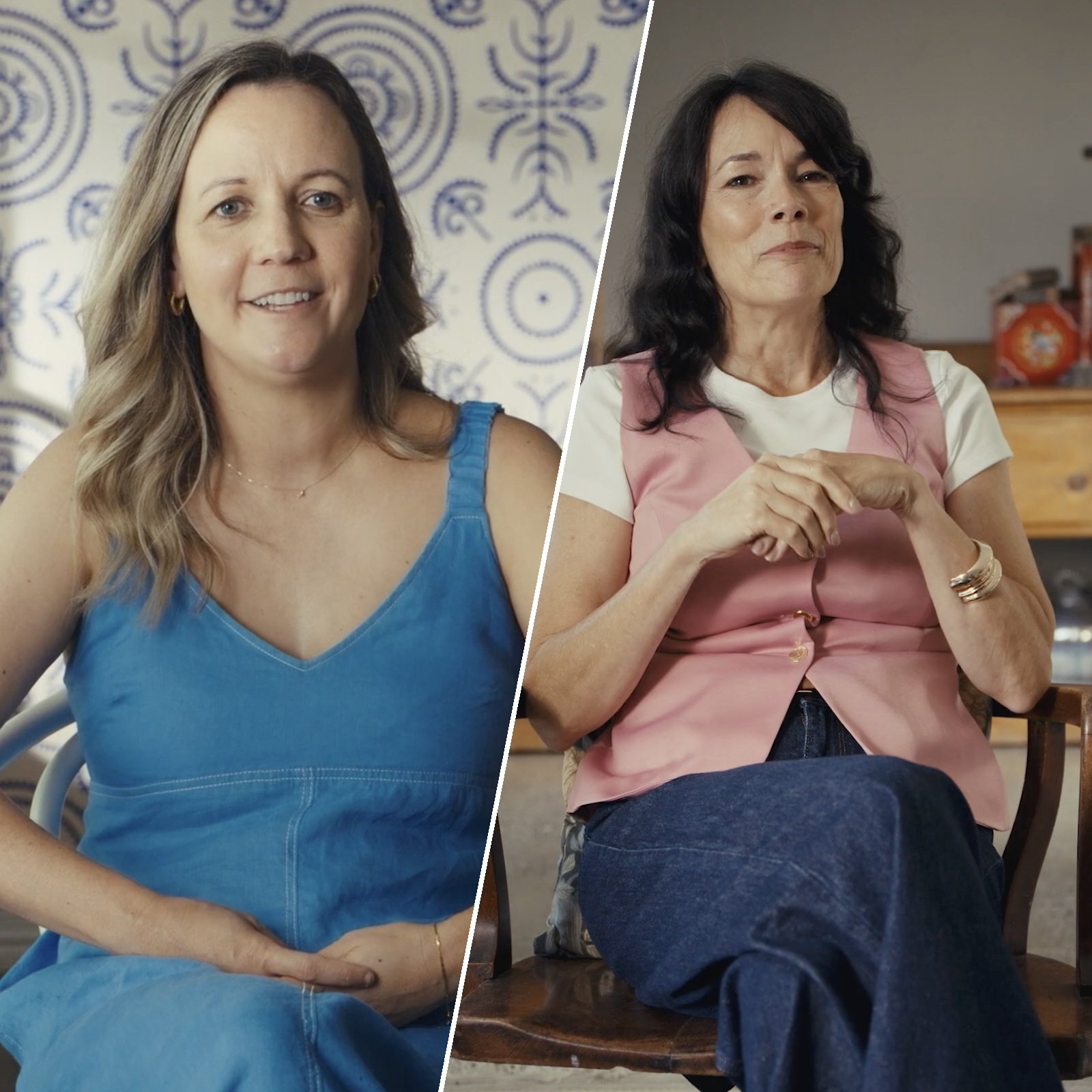
An episodic documentary-style series structured around the issues women face at different ages and stages of life. The title says the deal upfront. These are conversations most people avoid and the series invites you to sit inside the discomfort rather than talk around it.
Every woman on screen is a real woman. No paid actors, no scripted lines, no performance of authenticity. Just people describing what their bodies actually do to their days.
Episode 1 — Menopause and Me
Real women on how menopause reshapes ordinary life: sleep, work, temperature, mood, confidence, the small daily negotiations nobody warns you about. The episode gives space to the unglamorous detail that usually gets edited out, which is exactly what makes it land.
Episode 2 — When Life Gives You Mild Joint Pain
Joint pain is one of the most common burdens women carry as they get older, and one of the most hidden. It gets minimised, worked around and absorbed into routine until it stops registering as a problem at all. The episode names it, and lets women describe the workarounds they've built without ever really deciding to.
Episode 3 — LIFE WITH LOW ENERGY
Low energy is the symptom women are most often told isn't one. It gets brushed off as tiredness or stress until the women carrying it stop mentioning it altogether, even to the people closest to them. The episode follows one woman from being laughed at for raising it to saying it plainly, and lands on the line the whole campaign is built around: you are not alone.
Across all three episodes the tone stays human and relatable. The aim was never to dramatise the condition. It was to make a viewer recognise herself in someone else's sentence.
Part 2 — What's in the Bag?
The counterweight to the series. Short, fast, playful and visual.
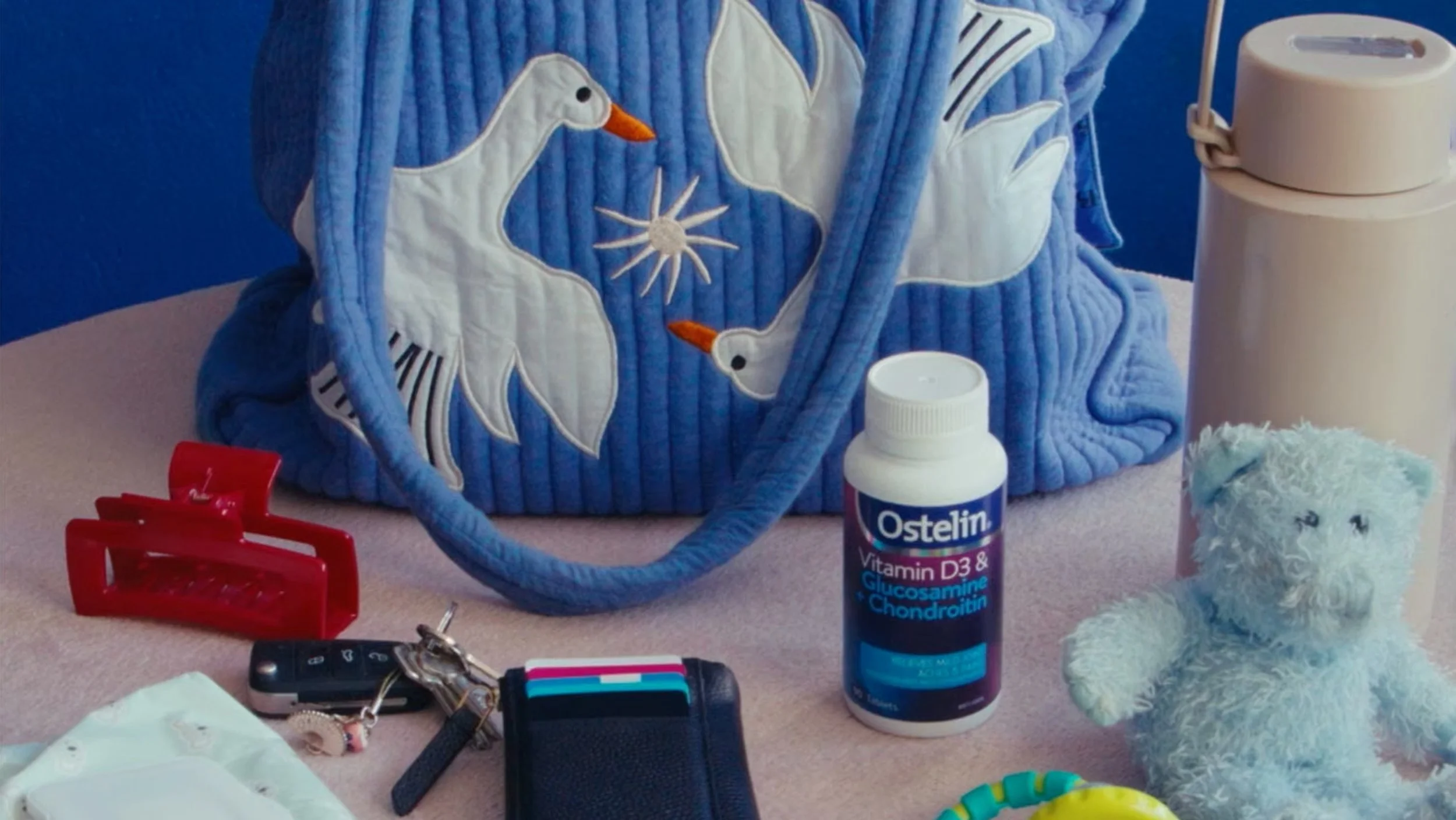
Women of different ages empty out their handbags on camera. What comes out is funny, specific and unmistakably real: the receipts, the half-used lip balm, the thing you've been meaning to return, the item that only makes sense if you know what stage of life you're in. And in every bag, Ostelin.
The format does the work the documentary episodes can't. It makes the product presence feel observed rather than announced. Nobody explains why the supplement is in the bag. It's simply there, alongside everything else a woman is carrying, which is the whole point.

WHY IT WORKED
Vertical, intimate, close. A woman talking directly to you at arm's length is a fundamentally different experience to the same woman in a wide 16:9 frame.
The format matched the message
Casting real women wasn't a production shortcut, it was the strategy. The series earns its message about not being alone precisely because the people delivering it aren't performing.
Honesty was the creative
Take a Seat gives the campaign weight. What's in the Bag? gives it lightness and repeatability in the feed. Together they let Ostelin be serious about women's health without being heavy about it.